She builds worlds that live for one night.
Es Devlin trained in fine art and English literature before she found the stage, and it shows in everything she builds. She is a set designer, though the word undersells it. She makes enormous kinetic sculptures that people happen to perform inside, for Beyoncé and Kanye West and U2, for the closing ceremony of the London Olympics, for operas and plays and a giant illuminated globe she once installed to make a city look at itself.
Her stages are among the most ambitious structures built anywhere, and almost all of them are designed to exist for a single night, or a single tour, and then be struck. She has spoken about this without regret. The impermanence is not a limitation of the work. It is the point. A concert is a temporary agreement between thousands of strangers to feel one thing together in one place, and then to let it go.
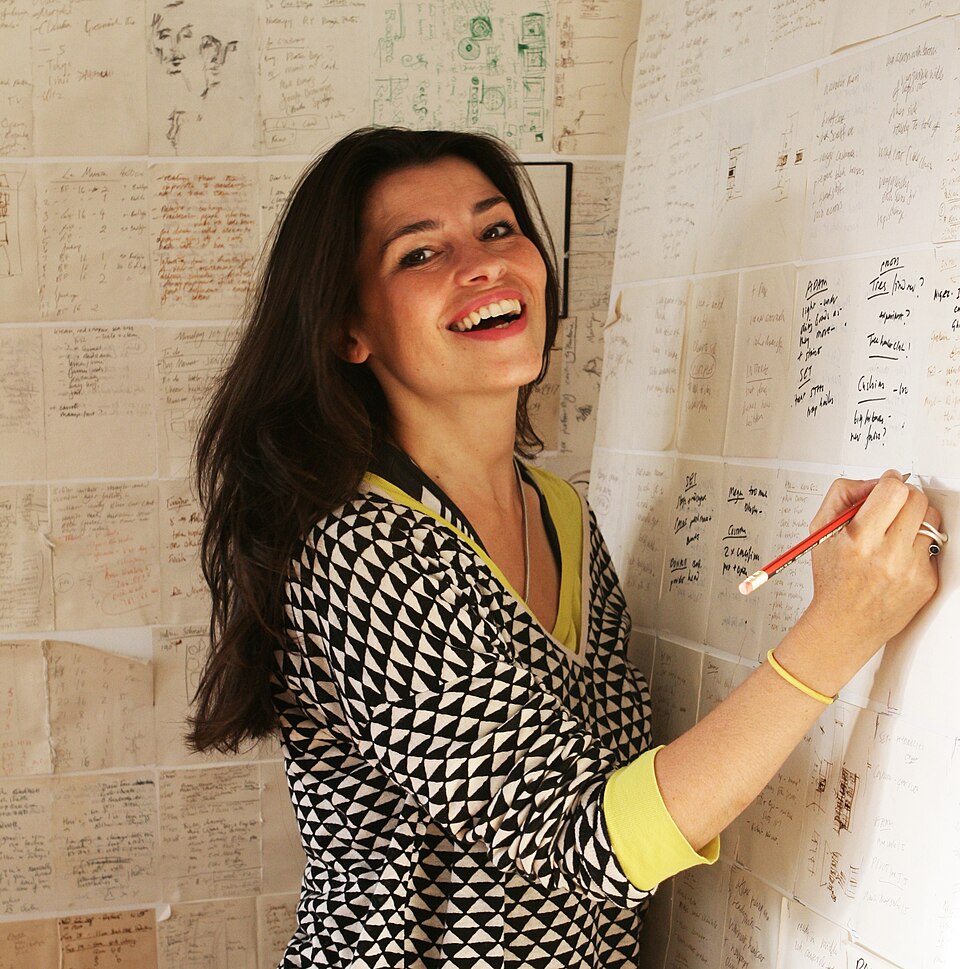
Devlin approaches each commission like a research project. She reads, she draws obsessively in notebooks, she looks for the single poetic image that can hold an entire show. A revolving mouth. A burning bull. A room that fills with the names of the missing. She is trying to find the one form that makes a stadium of people fall quiet at the same instant.
What she models, better than almost anyone, is the marriage of intellect and spectacle. Her work is genuinely popular, seen by millions who would never call themselves art audiences, and it is also serious, literary, researched to the bone. She refuses the idea that you must choose between the two.
For anyone who fears their best work is wasted because it will not last, Devlin is the answer. Not everything worth making is meant to be kept. Some things are meant to happen once, completely, to the people who were there, and that is enough. The scale of the ambition need not depend on the length of the life.
What would you make if you stopped needing it to be permanent?