01
Creativity is a confidence problem, not a talent one.
Almost everyone is born with it. Almost no one keeps it. The work isn't to teach creativity from scratch, it's to dismantle the beliefs that drained it.
The premise
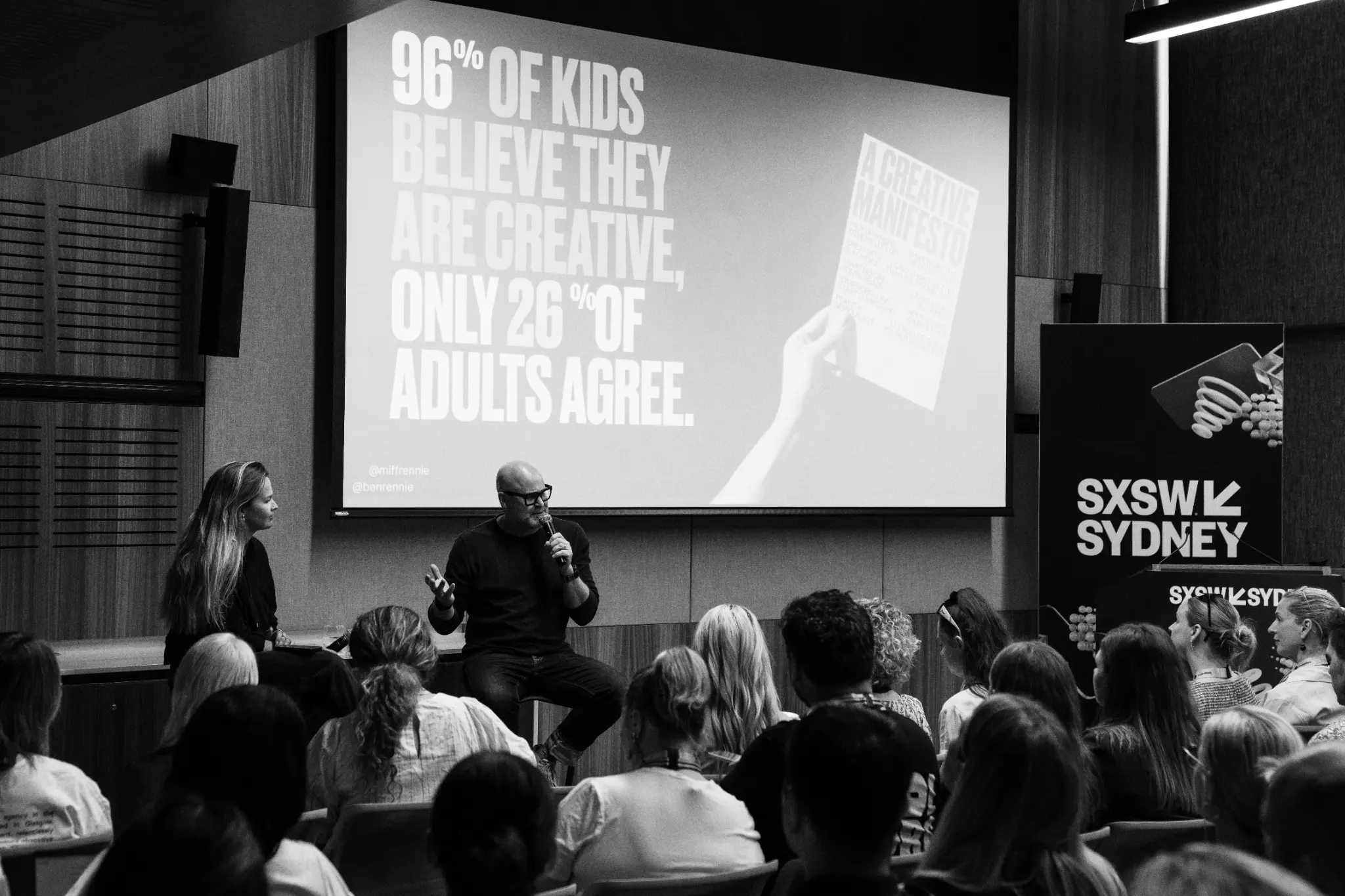
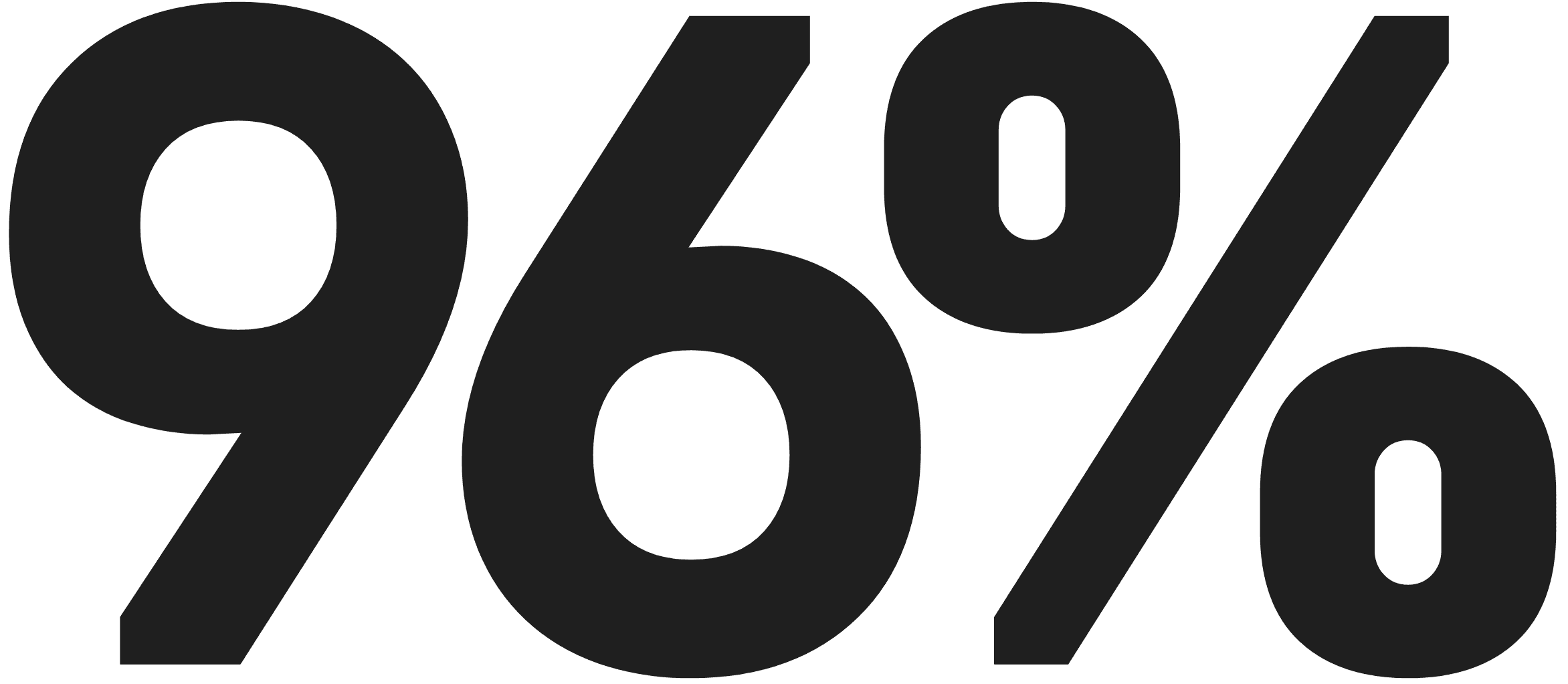
Adobe ran the study. Ask kids if they’re creative, 96% say yes. Ask adults the same question, only 26% agree.
NASA found the same shape earlier, 98% of five-year-olds scored at genius-level creativity; by 25, fewer than 3% did. The decline isn’t talent disappearing. It’s permission evaporating.
This whole platform sits on a single question Ben asked himself while writing Lessons in Creativity: where does it go? 96% is the door back.
What we believe
01
Almost everyone is born with it. Almost no one keeps it. The work isn't to teach creativity from scratch, it's to dismantle the beliefs that drained it.
02
Daily micro-decisions, share the half-formed idea, try the uncertain thing, compound into a confident creative life. Inspiration shows up for people who turned up first.
03
Every tier, prompt, and exercise is anchored in cognitive psychology and creativity research. We cite. We don't sermonise.
04
One assessment, one Field Guide, one Brief Builder, one set of prompts. Slow, considered, useful, not a stream of disposable content.
The person
Author of Lessons in Creativity, founder of Rennie Lab, and a long-time builder of brands, products, and the occasional surf school. He runs the Field Guide workshops, the prompts archive, and most weeks of Analog, his Substack.
96% is the public-facing arm of his decade-long argument: that creativity is not a personality type, and it can be rebuilt.