He built the stadium, then refused to cheer.
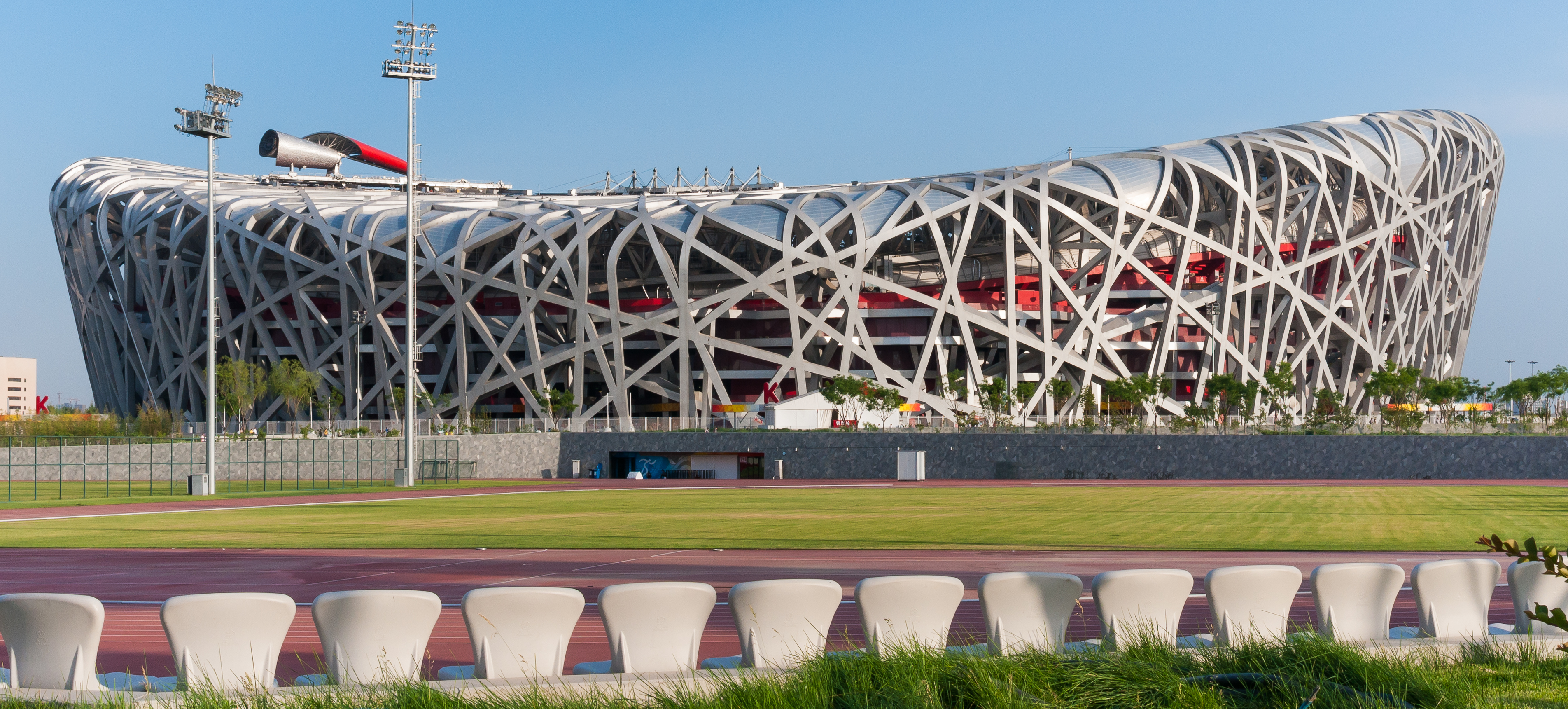
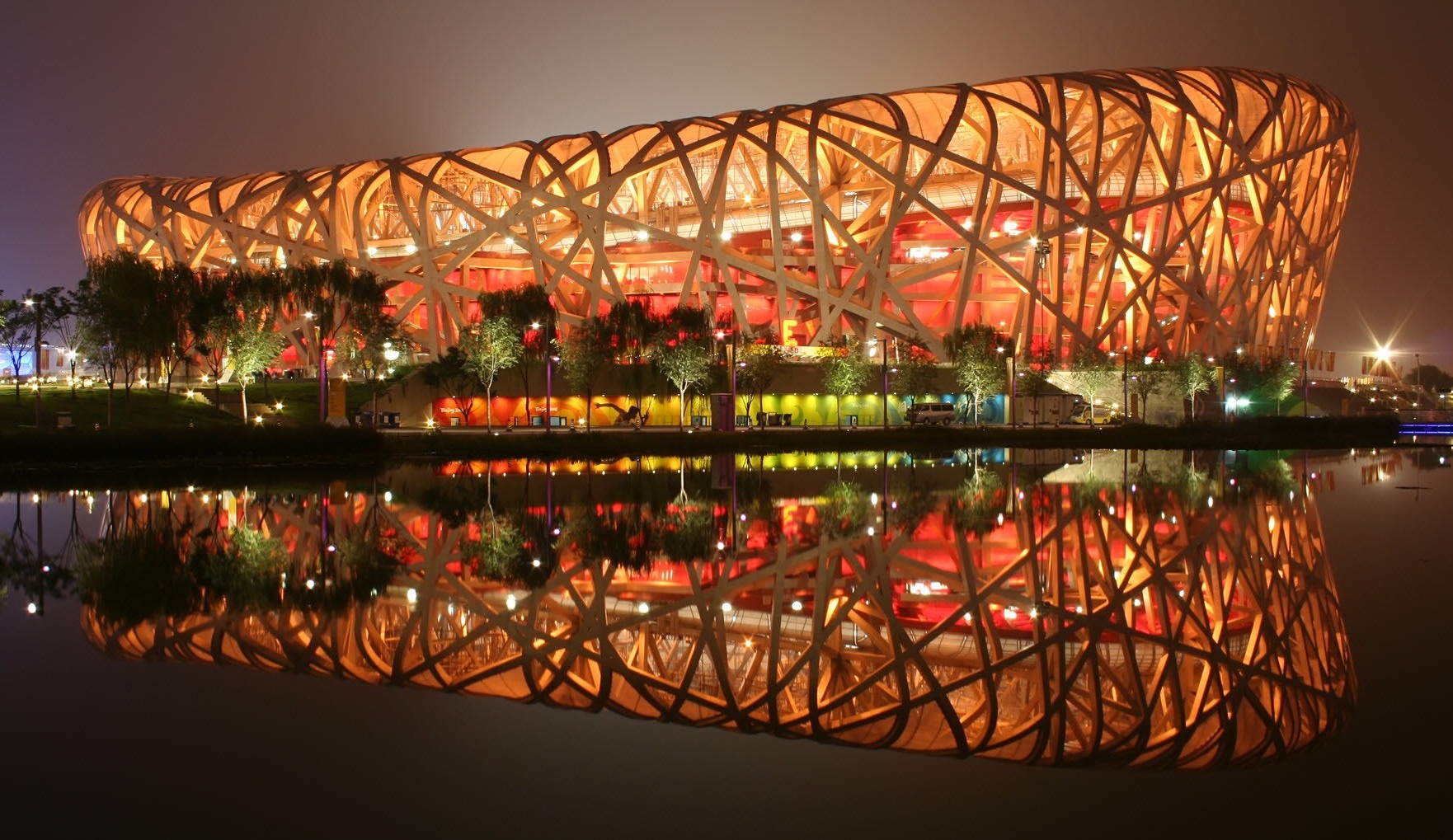
Ai Weiwei helped conceive the Beijing National Stadium, the vast woven-steel structure known as the Bird's Nest, the centrepiece of the 2008 Olympics and one of the most recognised buildings in the world. Then, as the Games approached, he publicly walked away from it, calling the spectacle a piece of state propaganda designed to hide more than it revealed. He refused to attend the opening.
That refusal is the key to understanding him. Ai is the son of one of China's most celebrated poets, who was exiled and made to clean toilets during the Cultural Revolution. Ai grew up watching the state erase an individual, and his entire body of work is an argument against that erasure, made from inside the country that keeps trying to silence him.
In 2010 he filled the enormous Turbine Hall of Tate Modern with one hundred million porcelain sunflower seeds. Every single seed was hand-painted by artisans in the Chinese city of Jingdezhen, each one slightly different, each one a person's labour. From a distance it looked like a uniform grey carpet, a mass. Up close it was a hundred million individuals. That is his whole politics in one work. The crowd is never really a crowd. It is people, each one specific, each one made by hand.
He has been beaten, surveilled, detained for eighty-one days without charge, and had his studio demolished. He documents all of it and turns it into work, because for Ai the documentation is the resistance. To be counted, named and seen is the thing authoritarian power cannot allow, so it is the thing he insists on.
The lesson runs past politics. Ai reminds anyone who makes anything that scale can lie. A stadium, a statistic, a mass audience, a market, all of them flatten people into a number. The creative act, done honestly, does the opposite. It restores the specific. It hand-paints the seed.
In the mass you are working for, who is the single person you are actually making this for?