
Electricity, straight out of sunlight.
In 1954, researchers at Bell Labs demonstrated the first practical solar cell, a treated wafer of silicon that did something quietly miraculous. When light fell on it, electricity came out. No fuel, no combustion, no moving parts, no noise, no emissions. Just a solid, still object turning sunshine directly into power. At the time it was wildly expensive and almost useless outside of spacecraft, which needed power where there was no fuel to burn.
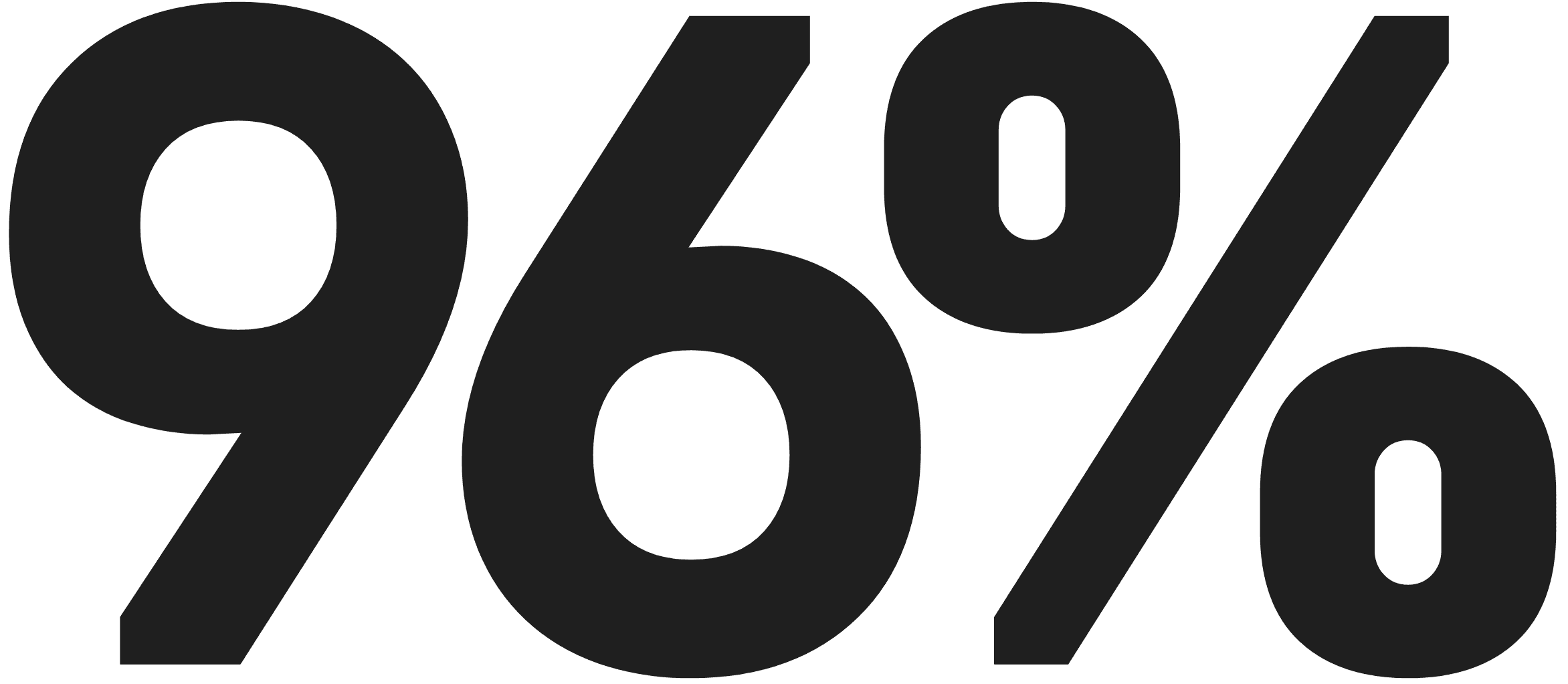
For decades it stayed a niche technology, too costly for the ground. But the price did something remarkable. Every time the world's cumulative production of solar panels doubled, the cost of a panel fell by roughly a fifth, and it kept doubling, decade after decade, until the once-absurd expense collapsed. In the space of a single lifetime the price of solar electricity fell by more than ninety-nine percent, and solar has become, in much of the world, simply the cheapest way to make electricity that has ever existed.
Sit with what that means. The most abundant energy source in the solar system, the sun that has poured free power onto this planet for billions of years, can now be harvested with a flat, silent panel that has no fuel bill and few parts to break. A device with no combustion, made mostly of silicon, which is among the most common elements in the Earth's crust, is out-competing the burning of things we dug up and cannot replace.
It is one of the most hopeful facts of our moment, and it happened not through a single miracle but through a long, boring, compounding grind of engineering and manufacturing, each generation a little cheaper and a little better than the last.
The lesson is the quiet power of the learning curve. The first version of almost anything worth doing is too expensive and barely works. What matters is whether it gets cheaper and better every time you make more of it. Progress that compounds looks like failure right up until it looks like magic.
What are you dismissing as too expensive or too early, without asking how fast it is getting cheaper?


