The album that became an instrument.
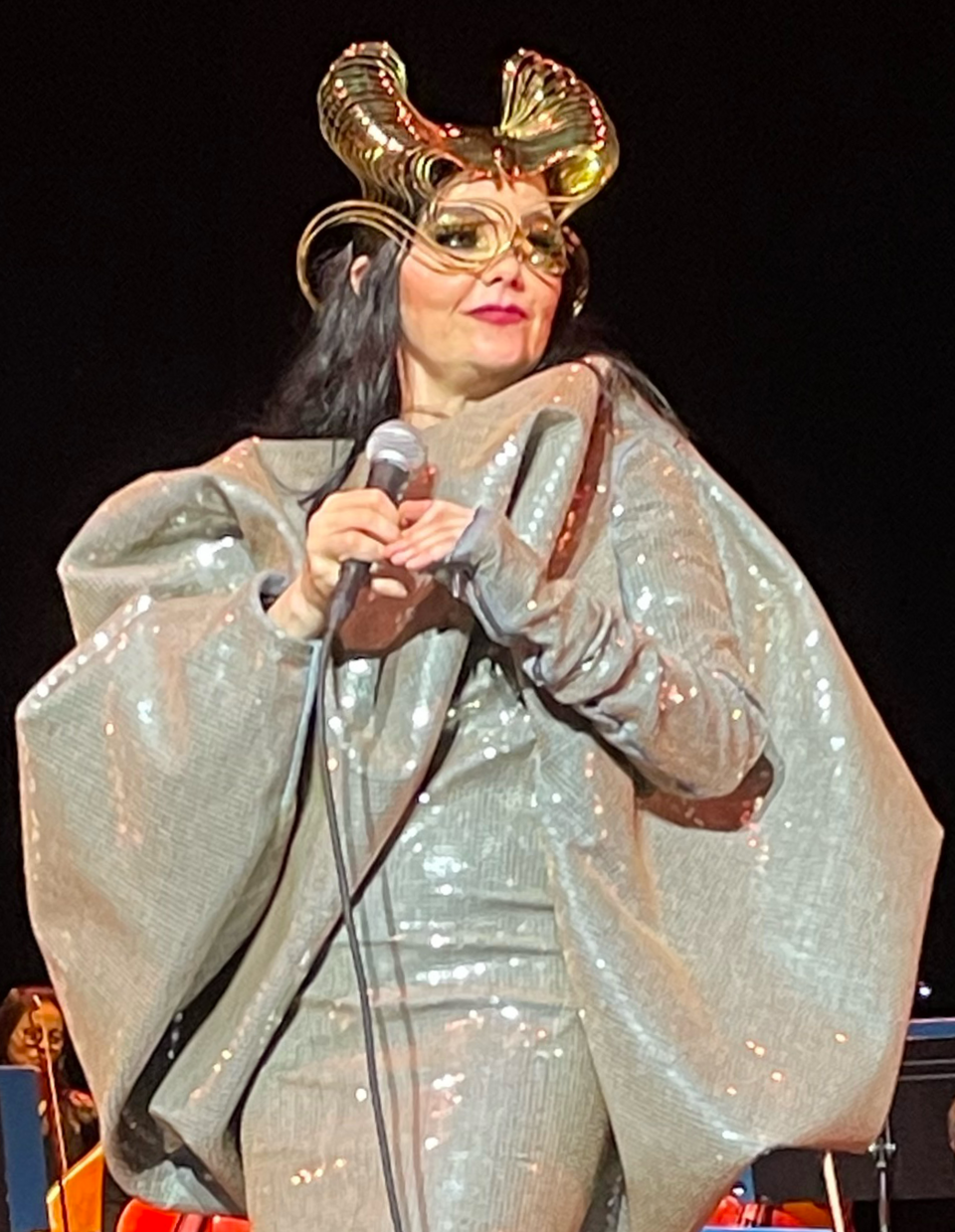
Björk has spent forty years refusing the shape of the thing she is supposed to be making. In 2011, when the music industry was still mourning the death of the album, she released Biophilia, and it was not really an album at all. It was a suite of apps, one for each song, in which every track was simultaneously a piece of music, an interactive instrument you could play, a visualisation of a natural phenomenon, and a lesson in the science and musicology behind it.
One song taught you about the relationship between musical structure and the branching of lightning. Another let you generate melodies by manipulating strings of DNA. She commissioned new instruments to be built for the project, including a pendulum that played harps using the gravity of the earth. The idea was that music, nature and technology are not separate subjects but one continuous thing, and that a listener could be a player rather than a consumer.
It was, commercially, a strange and difficult object. It confused a lot of people. It also became the first app to be acquired by the Museum of Modern Art for its permanent collection, and it redefined what an album could be at the exact moment everyone else had decided the album was finished. Björk did not accept the funeral. She asked what the form could become if you stopped treating its rules as fixed.
This is the pattern of her whole career. She treats each project as a chance to question the container, working with scientists, coders, choreographers and instrument-makers, refusing the border between high art and pop, between the emotional and the technical. She is proof that curiosity, sustained across decades and taken seriously, is itself a discipline.
The takeaway for anyone making anything is to distrust the default format. The album, the report, the deck, the website, the product, all of them arrive with an assumed shape, and most people pour their creativity into decorating that shape rather than questioning it. Björk's most radical instrument was the question itself. What if this did not have to be what it has always been?
Take the format you were about to use without thinking, and ask what it could become instead.


